


























Check out the Don’t Buy It site for lots of good ideas to try out with your kids. This is a great resource to use when starting to teach your kids about how to become critical consumers of media messages.
http://r53-vip-soup.pbskids.org/dontbuyit/
Some places to start exploring this site would be: Food Advertising Tricks You Should Know About. Have you ever wondered how the food in ads is made to look so appealing when in real life, you often discover that the food doesn’t look quite as good. Don’t miss checking out:
http://r53-vip-soup.pbskids.org/dontbuyit/buyingsmart/hotorsnot.html
Another fun activity to try with your child is: Create Your Own Ad.
Learn about the process of creating an ad as you try to create an ad of your own.
http://r53-vip-soup.pbskids.org/dontbuyit/advertisingtricks/
Be sure to have your child try the Ad Detective activity. Many times children don’t’ recognize that ads are all around us. This is a good activity for helping to raise their awareness.
http://r53-vip-soup.pbskids.org/dontbuyit/advertisingtricks/betheaddetective_1.html

http://www.yesnet.yk.ca/schools/wes/webquests_themes/media/media_sofie/introduction.html
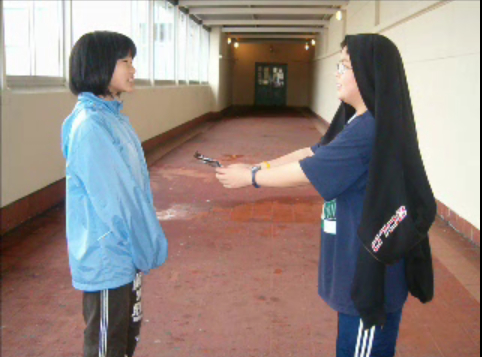
Make your own video about food choices. See this video created by sixth-grade students about junk food.
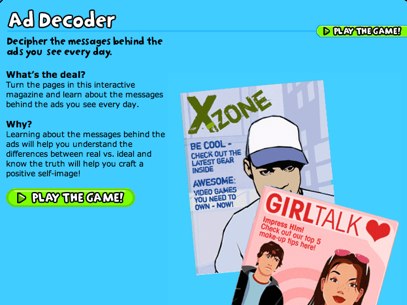
http://medbox.iiab.me/modules/en-cdc/www.cdc.gov/bam/life/ad-decoder.html
Calculate how much money your family would save if you didn’t purchase all those meals just to collect the toys. Have your child think about what kind of toy you might be able to purchase with your savings. You might even want to go online together and go to a toy site where your child could pick a toy that your family could buy with the savings.
Another interesting idea is to go online and find out what cheap toys similar to the ones that your child is seeking would cost if they were purchased in bulk. You might just discover that you could soon buy an entire bag of similar figurines with your savings!
https://www.cdc.gov/healthyschools/bam/mobileapp.html
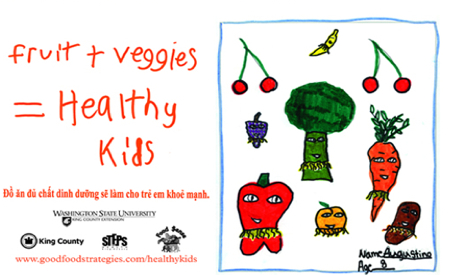
https://www.actionforhealthykids.org/activity/food-art/
For a wealth of ideas about games and activities designed to encourage healthy eating, be sure to check out Kids Corner.
Have
your kids check out the Power Panther on the
site brought to you by the US Department of
Agriculture. In the Farmer’s Market section
of this site, the kids will find interactive
activities designed to encourage healthy food
choices. There are activities on this site
for 4-6 year olds and their 7-10 year old
brothers and sisters.
https://fns-prod.azureedge.net/sites/default/files/PP_userguide.pdf
The British Nutrition Foundation website
offers some interactive activities designed
to get your child thinking about where food
comes from. There are activities for 5-7 year
olds as well as 8-11 year olds on this site.
https://www.nutrition.org.uk/life-stages/toddlers-and-preschool/learning-to-love-vegetables/
The site sponsored by Washington Growers
offers interactive activities, child-centered
recipes, and fun facts about Washington tree
fruits. See this section of the site, for
example, sponsored by Washington Apple
Commission:
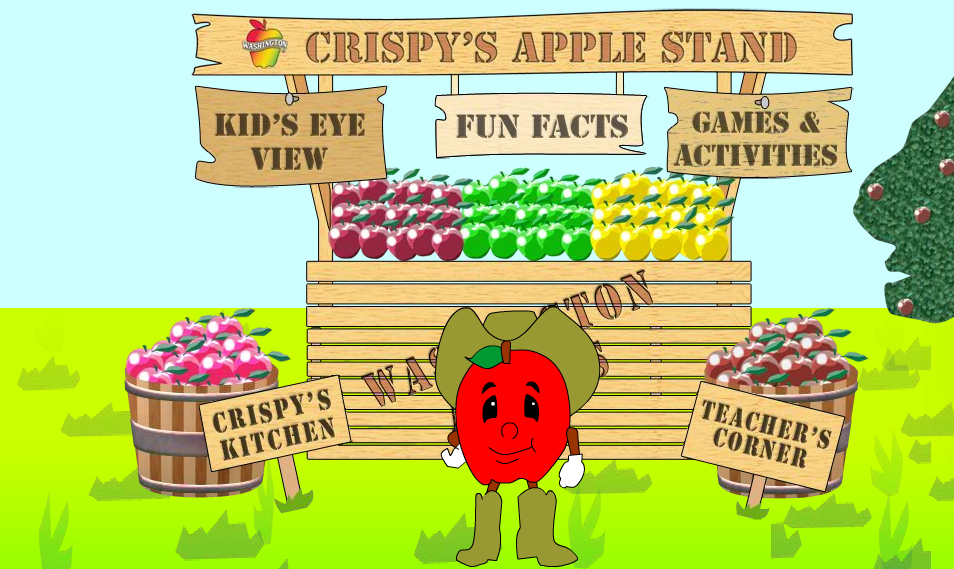
http://www.bestapples.com/kids/